
Backflow Prevention in Jacksonville, FL
Future-Ready Backflow Prevention in Jacksonville, FL — Certified Installers
Premier Plumbing offers expert backflow prevention in Jacksonville, FL — installation, testing & repairs. JEA-compliant service. Call (904) 780-6994 today!
- Licensed & Insured
- Locally Owned & Operated
- Free Inspection & Estimate
Request Your
Free EstimateBackflow prevention is the process of installing, testing, and maintaining specialized devices that stop contaminated water from flowing backward into Jacksonville’s clean drinking water supply. When water pressure drops suddenly — a common occurrence in Florida’s coastal infrastructure — water can reverse direction, pulling pollutants, chemicals, and bacteria into the pipes your family uses every day.
Jacksonville’s unique geography, aging water mains, and rapid commercial development make backflow incidents more likely here than in many other U.S. cities. From the St. Johns River’s influence on local water tables to the high humidity that accelerates corrosion in older plumbing systems, Northeast Florida presents specific challenges that demand locally experienced professionals.
Premier Plumbing provides comprehensive backflow prevention services throughout Jacksonville, FL — including installation, annual testing, repairs, and emergency response. Our licensed plumbers understand the specific requirements of the Jacksonville Electric Authority (JEA) water system and the Florida Department of Environmental Protection (FDEP) compliance standards. Call us today at (904) 780-6994 to schedule your backflow inspection or device installation.
Understanding Backflow Prevention in Jacksonville, FL
Backflow is the unintended reversal of water flow in a plumbing system. Under normal conditions, water travels in one direction — from the municipal supply into your home or business. But plumbing systems are vulnerable to two types of pressure failures: back-siphonage and backpressure. Back-siphonage occurs when negative pressure develops in the supply line, essentially creating a vacuum that pulls water backward. Backpressure happens when the pressure on the downstream side of a connection exceeds the supply pressure, forcing water to reverse course.
The concept of cross-connection control — the foundation of modern backflow prevention — became a standard municipal requirement following widespread waterborne illness outbreaks in the early 20th century. By the 1970s, the Safe Drinking Water Act established federal guidelines, and Florida followed with Chapter 62-555 of the Florida Administrative Code, which governs all public water system protections. Jacksonville’s JEA water utility enforces these rules locally, requiring annual testing of all approved backflow prevention assemblies connected to the public supply.
Backflow prevention devices include several main categories. Reduced Pressure Zone (RPZ) assemblies are the most robust and are required for high-hazard applications like irrigation systems that use fertilizers or commercial facilities handling chemicals. Double Check Valve Assemblies (DCVA) are used in moderate-hazard settings such as fire suppression systems. Pressure Vacuum Breakers (PVB) and Atmospheric Vacuum Breakers (AVB) are simpler devices suited to low-hazard residential irrigation connections.
In Jacksonville specifically, the prevalence of in-ground irrigation systems — found on nearly 70% of single-family residential properties throughout neighborhoods like Mandarin, Southside, and Fleming Island — means that residential backflow prevention is not just a commercial concern. Homes built before 1990 throughout Arlington and Murray Hill frequently lack properly rated backflow assemblies, placing them at risk under current JEA compliance standards. Commercial properties in the downtown core and along the Philips Highway corridor face even stricter requirements due to the density of interconnected water systems and the presence of industrial chemicals in proximity to potable supply lines.
Understanding what type of device your property needs — and ensuring it is tested annually — is the first step toward protecting both your family and Jacksonville’s broader water supply network.
Why Backflow Prevention Is Needed in Jacksonville, FL
The St. Johns River and Saltwater Intrusion
Jacksonville sits along the St. Johns River, one of the few rivers in North America that flows northward. The river’s tidal influence extends well inland, and during periods of drought — like the notable 2017 Northeast Florida drought that reduced river levels by more than 2.5 feet — saltwater intrusion from the Atlantic Ocean pushes further upstream. This affects shallow groundwater tables across neighborhoods like Riverside, Ortega, and Avondale, where older homes may have private well connections that interact with the municipal system. When these connections lack proper backflow assemblies, brackish or chemically altered groundwater can enter the potable supply during pressure fluctuations.
Hurricane and Tropical Storm Pressure Events
Northeast Florida experiences regular tropical weather. Hurricane Irma in September 2017 caused widespread pressure drops across Jacksonville’s water distribution network, with JEA reporting localized supply interruptions in neighborhoods including Beaches communities, San Marco, and parts of Northside. During and after storm events, water main pressure can drop below 20 PSI — the threshold at which back-siphonage becomes a significant risk. Properties without certified backflow preventers are especially vulnerable during and after these events. Jacksonville averages 6–9 named tropical systems influencing the region per decade, making storm-related backflow risk a recurring concern rather than a one-time scenario.
Rapid Commercial and Residential Development
Jacksonville is the largest city by land area in the contiguous United States, covering approximately 874 square miles. This sprawling growth has led to significant infrastructure stress, particularly in rapidly developing areas like the Southside Quarter, etown near 9B, and the St. Johns Town Center corridor. New construction demands on the water distribution system cause pressure fluctuations that affect existing properties. Water mains serving older neighborhoods like Springfield (homes dating to the 1910s–1930s) and San Jose (1950s–1970s construction) were not designed for today’s demand levels, increasing back-siphonage risk during peak usage periods.
Sandy, Porous Soil Conditions
Jacksonville’s soil is predominantly sandy and porous, classified largely as Entisols and Spodosols by the USDA Natural Resources Conservation Service. This soil type drains quickly but also allows surface contaminants — fertilizers, pesticides, and petroleum products — to migrate rapidly toward groundwater. Irrigation systems in neighborhoods like Mandarin, with its dense single-family residential stock and extensive lawn irrigation, represent high-hazard cross-connections if proper RPZ or PVB devices are not installed. The Florida-Friendly Landscaping movement has increased fertilizer use across the county, raising the stakes for properly rated irrigation backflow devices.
Aging Infrastructure
Portions of Jacksonville’s water distribution infrastructure date back more than 60 years. Water mains in neighborhoods like Murray Hill, Riverside, and Brentwood show documented wear patterns consistent with aging ductile iron and galvanized steel pipe. JEA’s capital improvement plans have flagged multiple replacement projects, but in the interim, pressure inconsistencies in these zones are common — exactly the conditions under which backflow events occur most frequently.
Signs You Need Backflow Prevention Service in Jacksonville
Water Quality Changes
- Discolored water (yellow, brown, or cloudy) coming from indoor taps
- Unusual taste or odor — sulfur, chlorine spikes, or a brackish taste common near St. Johns River-adjacent neighborhoods
- Visible sediment or particles in tap water
Pressure and Flow Issues
- Sudden unexplained drops in water pressure throughout your home or business
- Inconsistent pressure that spikes and drops, particularly in homes near active construction zones on the Southside or Northside
- Water hammer sounds (banging pipes) during routine use
Device and Compliance Red Flags
- Your backflow preventer has not been tested within the past 12 months — JEA requires annual certified testing
- You have a lawn irrigation system installed before 2005 with no backflow assembly
- You’ve received a notice of violation or compliance request from JEA
- You are preparing to sell your property and need a current test report
Emergency Indicators
- Water backing up from multiple fixtures simultaneously after a storm or municipal main break nearby
- Sewage odor at indoor water fixtures — a critical warning sign requiring immediate service
If you notice any of these signs, call Premier Plumbing immediately at (904) 780-6994. We offer 24/7 emergency plumbing response throughout Jacksonville.
Our Backflow Prevention Process in Jacksonville
Initial Consultation and Site Assessment (1–2 Hours)
Our licensed plumber visits your Jacksonville property to evaluate existing plumbing configurations, identify all cross-connection points, and determine the hazard level of your water uses. We review your JEA account status and check for any outstanding compliance notices. We document soil conditions, proximity to irrigation heads, and connection types — factors that differ significantly across Jacksonville’s varied neighborhoods from Riverside bungalows to Deerwood commercial properties.
Hazard Classification and Device Recommendation (Same Day)
Based on the site assessment, we classify each connection point according to FDEP Chapter 62-555 guidelines and JEA’s Cross-Connection Control Program requirements. We recommend the appropriate device — RPZ, DCVA, PVB, or AVB — and provide a written quote before any work begins. We explain Florida-specific regulations that apply to your property type and use.
Device Installation (2–4 Hours Typical)
Our plumbers install ASSE (American Society of Sanitary Engineering) approved backflow prevention assemblies. Installation includes proper shut-off valves on both sides of the device, test cocks for future annual testing, and secure mounting that accounts for Jacksonville’s high humidity environment to prevent accelerated corrosion. We use stainless steel and brass components rated for Florida’s coastal climate conditions.
Initial Functional Testing (30–60 Minutes)
Immediately following installation, we perform a certified backflow test using calibrated differential pressure gauges. Test results are documented on the FDEP-approved test form required by JEA. We verify that all components meet performance thresholds — a minimum 2 PSI differential across check valves for DCVAs and a minimum 5 PSI opening for RPZ relief valves.
JEA Reporting and Documentation (Same Day)
We submit your test results directly to JEA’s Cross-Connection Control Program and provide you with copies for your records. This step ensures your property is fully compliant and avoids potential service interruptions or fines that JEA can impose for non-compliance.
Customer Education and Maintenance Briefing (15–30 Minutes)
We walk you through the location of your device, how to identify signs of failure, and when to schedule your next annual test. We note Jacksonville-specific seasonal risks — particularly pre-hurricane season checks recommended each May before the June 1 Atlantic hurricane season start.
Annual Testing Reminders and Follow-Up
Premier Plumbing maintains service records for all Jacksonville clients and provides annual testing reminders to keep your JEA compliance current year after year.
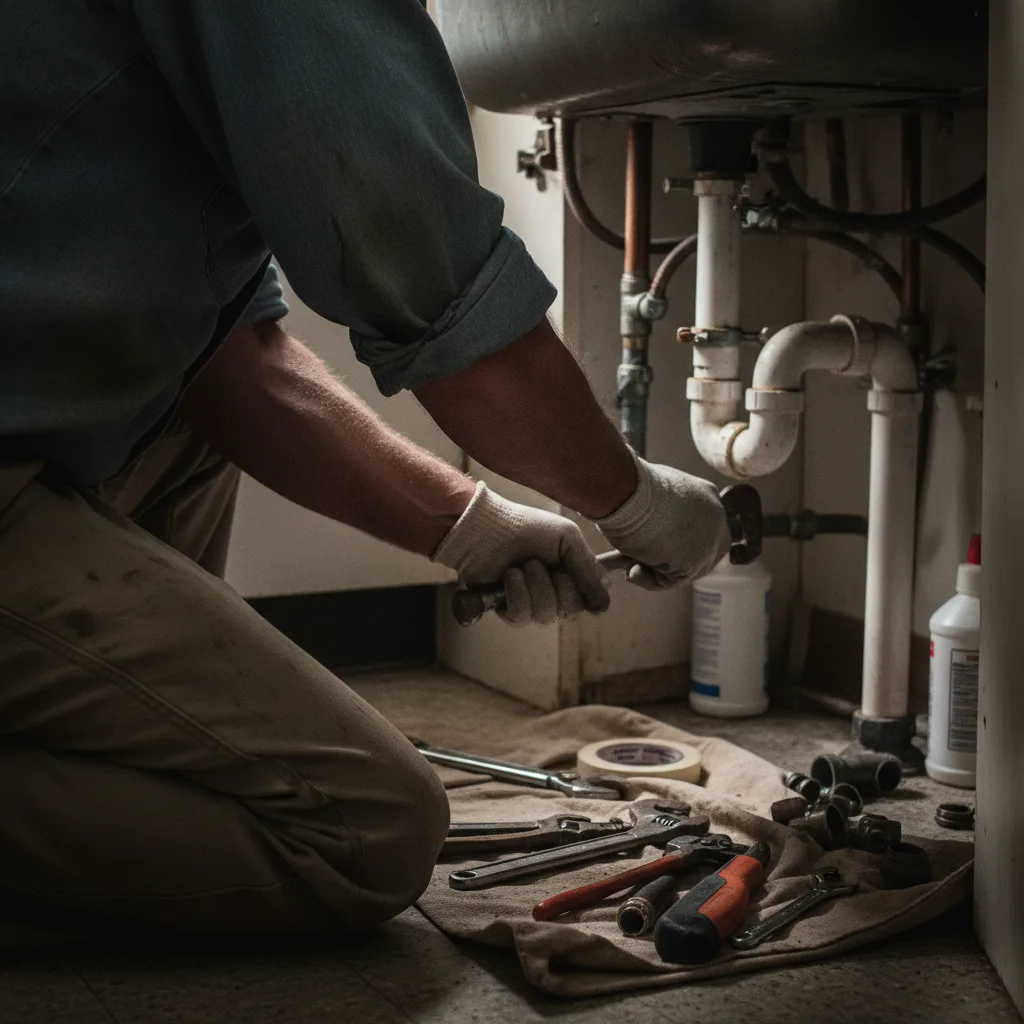
Our team in action — plumbing professionals serving Jacksonville
Backflow Prevention Methods and Approaches
Reduced Pressure Zone (RPZ) Assembly
The RPZ assembly is the gold standard for high-hazard applications. It uses two independent check valves separated by a relief valve zone that vents to the atmosphere if either check valve fails. In Jacksonville, RPZ assemblies are required for commercial irrigation systems that use fertilizer injection, medical and dental facilities, car washes along Blanding Boulevard and Beach Boulevard, and any property where chemicals could enter the water supply. RPZ devices require annual certified testing and must be installed above grade — an important consideration given Jacksonville’s occasional street flooding.
Double Check Valve Assembly (DCVA)
DCVAs use two spring-loaded check valves in sequence and are appropriate for moderate-hazard applications like fire sprinkler systems and commercial buildings without chemical hazards. Many Southside office parks and retail centers along Town Center Parkway use DCVAs. They must be tested annually by a certified tester.
Pressure Vacuum Breaker (PVB)
The PVB is the most common device for residential irrigation systems in Jacksonville neighborhoods like Mandarin and Bartram Park. It must be installed at least 12 inches above the highest irrigation head, a requirement that sometimes requires adjustment in homes with second-story drip irrigation. PVBs must be drained and protected during the rare Jacksonville freeze events, such as the January 2018 cold snap that saw temperatures drop to 19°F — one of the coldest readings in recent Jacksonville history.
Atmospheric Vacuum Breaker (AVB)
AVBs are low-cost, simple devices suited to low-hazard hose bib connections. Each hose connection that may be submerged should have an AVB. They require no testing but must remain open for a minimum of 12 hours per day — a guideline commonly overlooked by Jacksonville homeowners with automated irrigation controls.
Ready for Backflow Prevention? Get Your Free Estimate Today.
Premier Plumbing serves Jacksonville and the surrounding area — we’ll be on-site within 24 hours.
📞 Call (904) 780-6994Backflow Prevention Cost in Jacksonville, FL
Understanding the cost of backflow prevention in Jacksonville helps homeowners and business owners budget appropriately and avoid surprises. Pricing varies based on device type, property complexity, and whether installation or testing alone is needed.
Residential Backflow Prevention Costs
- Annual certified backflow testing (existing device): $75–$150 per device
- Pressure Vacuum Breaker (PVB) installation for residential irrigation: $250–$500 including parts and labor
- Double Check Valve Assembly installation: $350–$700
- Reduced Pressure Zone (RPZ) assembly installation: $600–$1,200
Commercial Backflow Prevention Costs
- Annual certified testing for commercial properties: $100–$300 per device depending on size and type
- Commercial RPZ installation (2-inch line and above): $1,500–$4,000
- Fire suppression system DCVA installation: $800–$2,500
Additional Cost Factors in Jacksonville
Several Jacksonville-specific factors can influence your final cost. Properties in flood zones (a significant portion of coastal and riverine Jacksonville falls within FEMA Zone AE or VE) may require elevated installations that add $100–$300 to device mounting costs. Homes in older neighborhoods like Springfield or Riverside with galvanized steel pipe may require partial pipe replacement before a new device can be properly seated, adding $200–$800 to total project cost. Emergency service calls — available 24/7 through Premier Plumbing — carry an after-hours premium of approximately $75–$150 above standard rates.
JEA non-compliance fines can reach $250–$500 per occurrence and may escalate to service termination, making timely installation and testing a sound financial investment. Call (904) 780-6994 for a specific quote for your Jacksonville property.
Jacksonville Neighborhoods We Serve
Riverside and Avondale
These historic neighborhoods feature homes largely built between 1910 and 1950, many with original galvanized steel or early copper plumbing. Proximity to the St. Johns River elevates groundwater contamination risk. Backflow device upgrades and replacements are particularly common here due to aging infrastructure and JEA compliance updates targeting older cross-connection points.
Mandarin
One of Jacksonville’s most established suburban neighborhoods, Mandarin features dense single-family residential development with nearly universal lawn irrigation systems. The high concentration of in-ground irrigation systems — many installed in the 1980s and 1990s without modern backflow protection — makes this area a top priority for residential PVB installations and annual testing compliance.
Southside and Deerwood
Jacksonville’s primary commercial and corporate corridor along Philips Highway, Butler Boulevard, and Town Center Parkway includes numerous office parks, medical facilities, and retail centers requiring commercial-grade RPZ and DCVA assemblies. New construction continues at a rapid pace, and Premier Plumbing provides commercial plumbing services for new builds and retrofits throughout this zone.
Arlington
Primarily developed in the 1950s through 1970s, Arlington’s residential stock frequently lacks updated backflow prevention. The neighborhood’s older water mains experience more frequent pressure inconsistencies, increasing back-siphonage risk and making certified annual testing especially important for homeowners here.
Northside and New Berlin
Jacksonville’s industrial and port corridor along the Northside features warehousing, manufacturing, and port facilities that require high-hazard backflow assemblies. Industrial plumbing compliance is a specialty of Premier Plumbing’s team. Industrial plumbing services are available for all facility types throughout this zone.
Backflow Prevention Maintenance Tips for Jacksonville Homeowners
- Schedule annual certified testing every spring: JEA requires yearly testing. Schedule yours in March or April — before Jacksonville’s rainy season begins in June and before hurricane season stresses the water distribution system.
- Inspect your device visually each month: Look for corrosion, leaks at test cocks, or physical damage. Jacksonville’s salt air, especially in Beaches communities, accelerates corrosion on brass and copper components.
- Protect your device during freeze events: While rare in Jacksonville, freezes do occur. The January 2018 freeze caused widespread device failures. Wrap exposed devices with insulating material each winter when temperatures below 32°F are forecast.
- Never bury your backflow preventer: Ground-level or submerged devices are a common code violation found during inspections in older Mandarin and Arlington properties. All devices must be accessible for testing.
- Avoid chemical fertilizer injection without an RPZ: If you add a fertigation system to your irrigation, upgrade your backflow device from a PVB to an RPZ immediately — JEA requires it.
- Keep a copy of your annual test report: JEA may request proof of testing when selling your property or during compliance audits. Store your reports digitally and in your home records.
- Call immediately after any water main break in your area: Pressure fluctuations following nearby main breaks — frequent during hot summer months when demand peaks — are prime conditions for backflow events.
Why Choose Premier Plumbing for Backflow Prevention in Jacksonville?
Premier Plumbing is a Jacksonville-based plumbing company with deep knowledge of Northeast Florida’s specific water infrastructure, JEA compliance requirements, and the environmental factors — from St. Johns River tidal influence to hurricane-season pressure events — that make backflow prevention uniquely important in our region.
Our team handles the full spectrum of backflow prevention work: installation, annual certified testing, emergency repairs, and JEA reporting. We work across all property types, from historic Riverside bungalows to large commercial facilities in the Southside and industrial operations on Jacksonville’s Northside. Whether you need home plumbing services or full-scale commercial plumbing and residential plumbing solutions, Premier Plumbing delivers reliable, code-compliant results.
We offer 24/7 emergency plumbing response — because backflow events and device failures don’t follow a business schedule. Our plumbers are familiar with JEA’s Cross-Connection Control Program and FDEP Chapter 62-555 requirements, ensuring your documentation is always accurate and on time.
Call Premier Plumbing at (904) 780-6994 to speak with a Jacksonville backflow prevention specialist today. We also offer plumbing maintenance and repairs to keep your entire plumbing system performing safely year-round.
Frequently Asked Questions: Backflow Prevention in Jacksonville, FL
How much does backflow prevention testing cost in Jacksonville?
Annual certified backflow testing in Jacksonville typically costs $75–$150 per device for residential properties and $100–$300 for commercial assemblies. Prices vary based on device type and accessibility. Some older properties in neighborhoods like Springfield or Murray Hill with difficult access points may fall on the higher end of the range. Call us at (904) 780-6994 for an exact quote.
Does JEA require backflow prevention testing every year?
Yes. JEA’s Cross-Connection Control Program requires that all approved backflow prevention assemblies connected to the public water supply be tested annually by a certified backflow tester. Test results must be submitted to JEA within a specific window, and failure to comply can result in fines or service interruption. Premier Plumbing handles testing and JEA reporting for all of our Jacksonville clients.
Do I need a backflow preventer if I have an irrigation system in Jacksonville?
Yes. Florida law and JEA’s Cross-Connection Control requirements mandate backflow prevention on all irrigation systems connected to the public water supply. In most residential cases in Jacksonville, a Pressure Vacuum Breaker (PVB) is the minimum required device. If you use fertilizer injection or pesticide chemicals through your irrigation system, an RPZ assembly is required. Many irrigation systems installed before 2005 in neighborhoods like Mandarin and Bartram Park lack compliant devices and should be inspected promptly.
How long does backflow preventer installation take?
Most residential installations take 2–4 hours including the post-installation certified test. Commercial installations for larger assemblies — such as 2-inch or greater RPZ devices for Southside office buildings or fire suppression systems — may require a full day. We schedule most Jacksonville installations within 3–5 business days, with expedited same-day service available for emergency situations.
What happens if my backflow preventer fails?
A failed backflow preventer can allow contaminated water — including irrigation chemicals, fertilizers, or even sewage — to enter your potable water supply. This is a serious health hazard. If your device fails during testing, we can perform same-day repairs or replacement in most cases. Premier Plumbing also offers emergency plumbing repair services around the clock for urgent backflow failures throughout Jacksonville.
Are there Jacksonville-specific rules about where my backflow preventer must be installed?
Yes. JEA requires that all testable backflow assemblies be accessible for annual testing and cannot be buried underground or enclosed in spaces that prevent tester access. In flood-prone areas of Jacksonville — including properties in FEMA Zone AE along the St. Johns River and its tributaries — assemblies must be installed above the base flood elevation. Riverside, Ortega, and San Marco properties near the river should confirm installation heights meet current FEMA requirements.
Can Premier Plumbing help with backflow prevention for new construction in Jacksonville?
Absolutely. We provide construction plumbing and entire plumbing installation services for new residential and commercial builds throughout Jacksonville. Our team works with builders and developers to ensure cross-connection control devices are properly specified and installed during the construction phase, meeting both JEA and Florida Building Code requirements from day one.
Is backflow prevention different for commercial properties in Jacksonville?
Yes. Commercial properties face stricter requirements based on the nature of their operations. Medical facilities, car washes, restaurants, chemical storage facilities, and industrial properties along Jacksonville’s Northside and port areas all require high-hazard rated assemblies such as RPZ devices, along with more rigorous testing schedules in some cases. Premier Plumbing’s commercial plumbing team is experienced in all JEA commercial cross-connection compliance requirements.
Get Expert Backflow Prevention Service in Jacksonville Today
Don’t wait for a water quality problem or a JEA compliance notice to take backflow prevention seriously. Whether you need a new device installed, your annual certified test completed, or emergency repair service, Premier Plumbing is Jacksonville’s trusted local choice for comprehensive backflow prevention.
We serve homeowners and businesses across Jacksonville — from Riverside and Mandarin to the Southside, Arlington, and Northside. Our team understands JEA’s requirements, Florida’s regulations, and the specific water safety challenges created by Jacksonville’s coastal geography and aging infrastructure.
Call Premier Plumbing now at (904) 780-6994 to schedule your backflow inspection, installation, or annual test. We offer 24/7 emergency plumbing service for urgent situations throughout Jacksonville, FL. Protect your water. Protect your family. Call today.